
Tag: Everest Base Camp
-
The NeverRest Project and the SPCC join forces to promote more responsible and regenerative mountain tourism
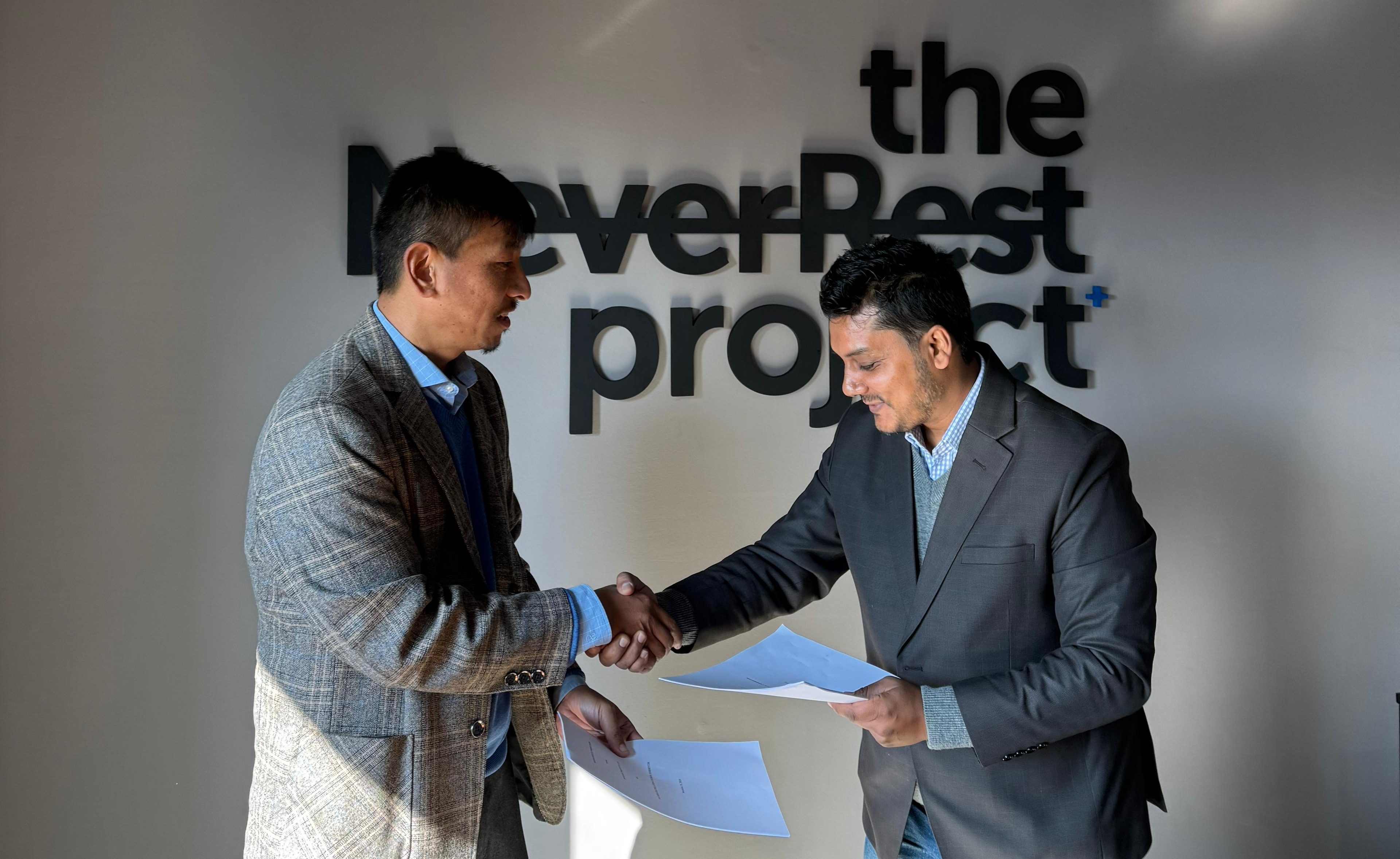
The NeverRest Project and the Sagarmatha Pollution Control Committee (SPCC) have agreed to collaborate to advance more responsible and regenerative mountain tourism using the most advanced technologies available. December 17th, 2025. The NeverRest Project Nepal has signed a collaboration agreement with the Sagarmatha Pollution Control Committee (SPCC), the organization responsible for waste management and environmental…
-
The SUNMIT project wins the 2025 Eco-Design Award in the Young category

It was developed by engineer and industrial designer Marina Guzmán, a former Elisava student and collaborator of The NeverRest Project. Last November 12th, our collaborator at The NeverRest Project, engineer and industrial designer Marina Guzmán, a former student of Elisava, presented her SUNMIT, winner of the Eco-Design Award 2025 in the young designer category, together…
-
Everest climbing season ends with the challenge of achieving zero fatalities and developing more regenerative, sustainable tourism

Nepal has reported 5 deaths in Everest this season—a decrease for the second consecutive year. The country is seeking ways to prevent inexperienced climbers from endangering themselves and others on the mountain. Tourism directly generated approximately 3 tons of waste on the mountain, 3.3 tons of feces, and over 44,800 liters of urine during the…
-
The good idea of climbing a 7,000-meter peak before Everest
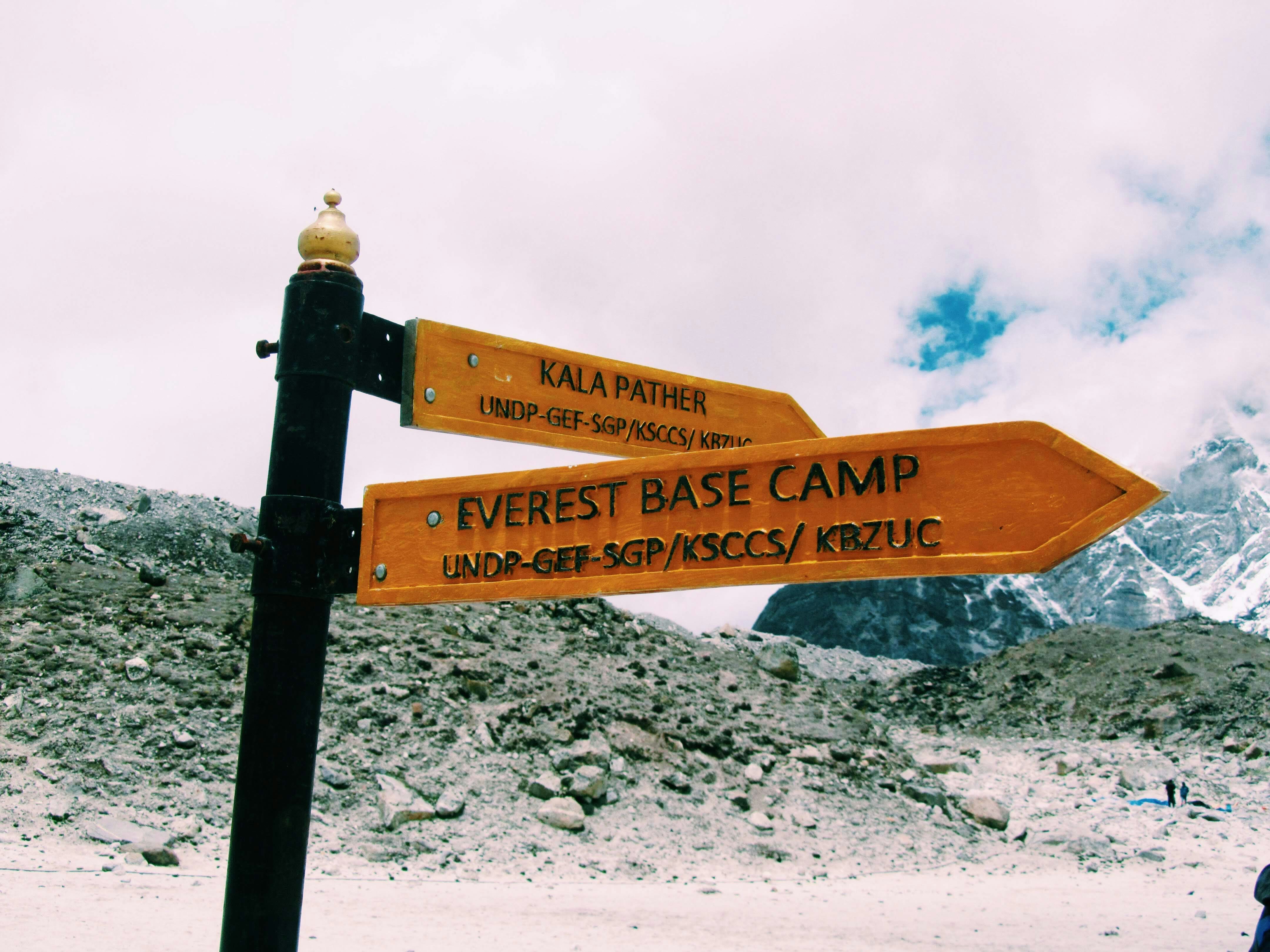
The Government of Nepal wants to improve mountain safety by deterring altitude-inexperienced climbers A bill driven by the Government of Nepal, which reportedly enjoys the backing of a parliamentary majority, would make it mandatory to summit one of the country’s 7,000-meter peaks before attempting Everest. The draft, already submitted to the National Assembly (the upper…
-
The Everest expedition season begins, with its glacier receiving 4,000 liters of urine per day from expedition tourism this spring
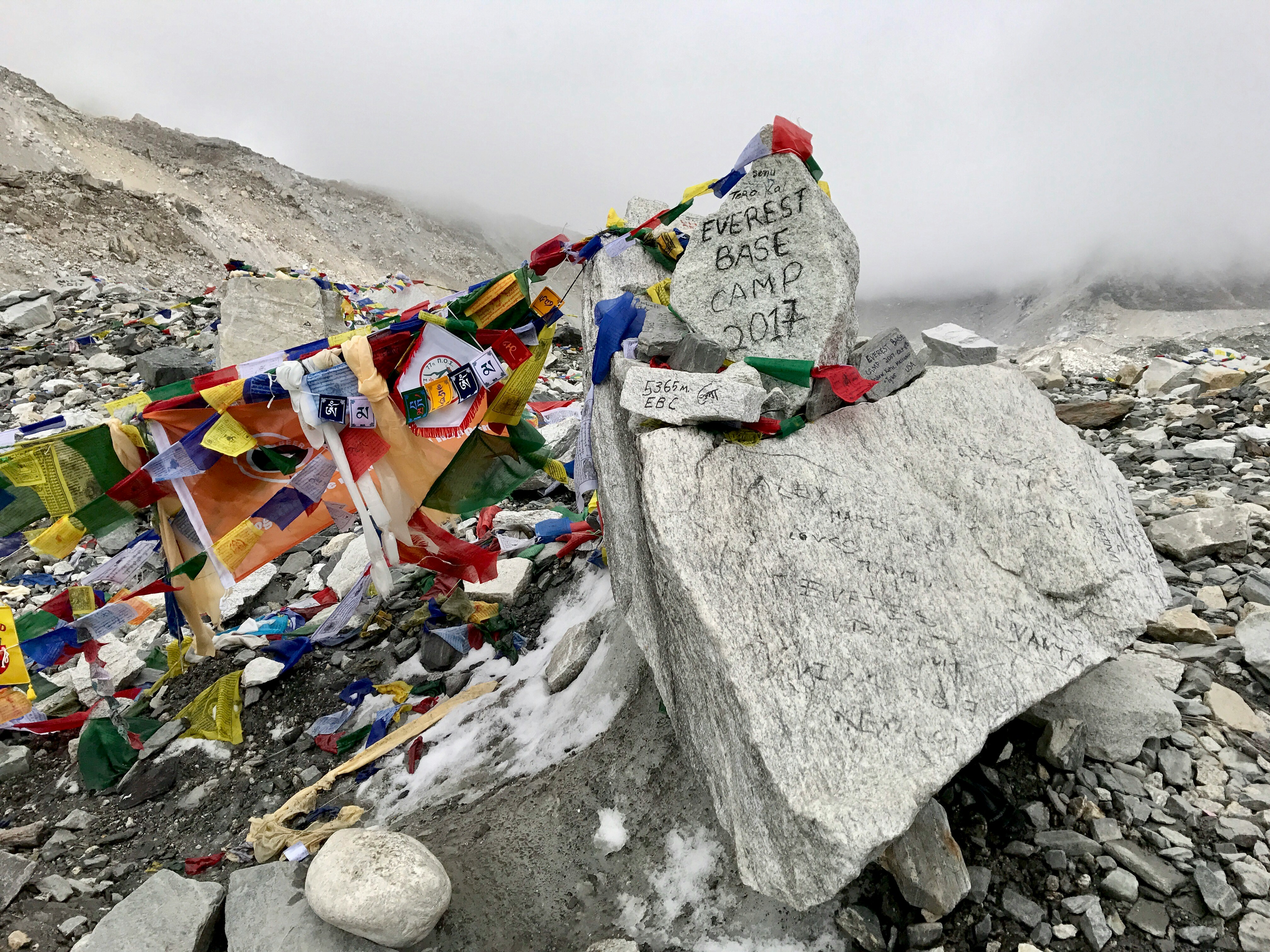
The NeverRest Project presents the new update of its open platform EverData, expanding advanced environmental and tourism data on Mount Everest. Barcelona / Kathmandu, March 21, 2025. This spring, approximately 240,000 liters of urine will be discharged on Mount Everest by clients and expedition teams participating in the climbing season on the world’s highest mountain.…
-
How dangerous is it really to climb Mount Everest?

Expedition season on Everest is about to begin. How dangerous is it really to climb Mount Everest? This is one of the most frequently asked questions. You see, aside from accidents caused by mistakes, exhaustion, sunburn, slips, or falls, as well as those directly linked to weather conditions—storms, snowfall, or strong winds—and avalanches, there is…
-
Is the Everest region ready to receive 500,000 visitors a year?
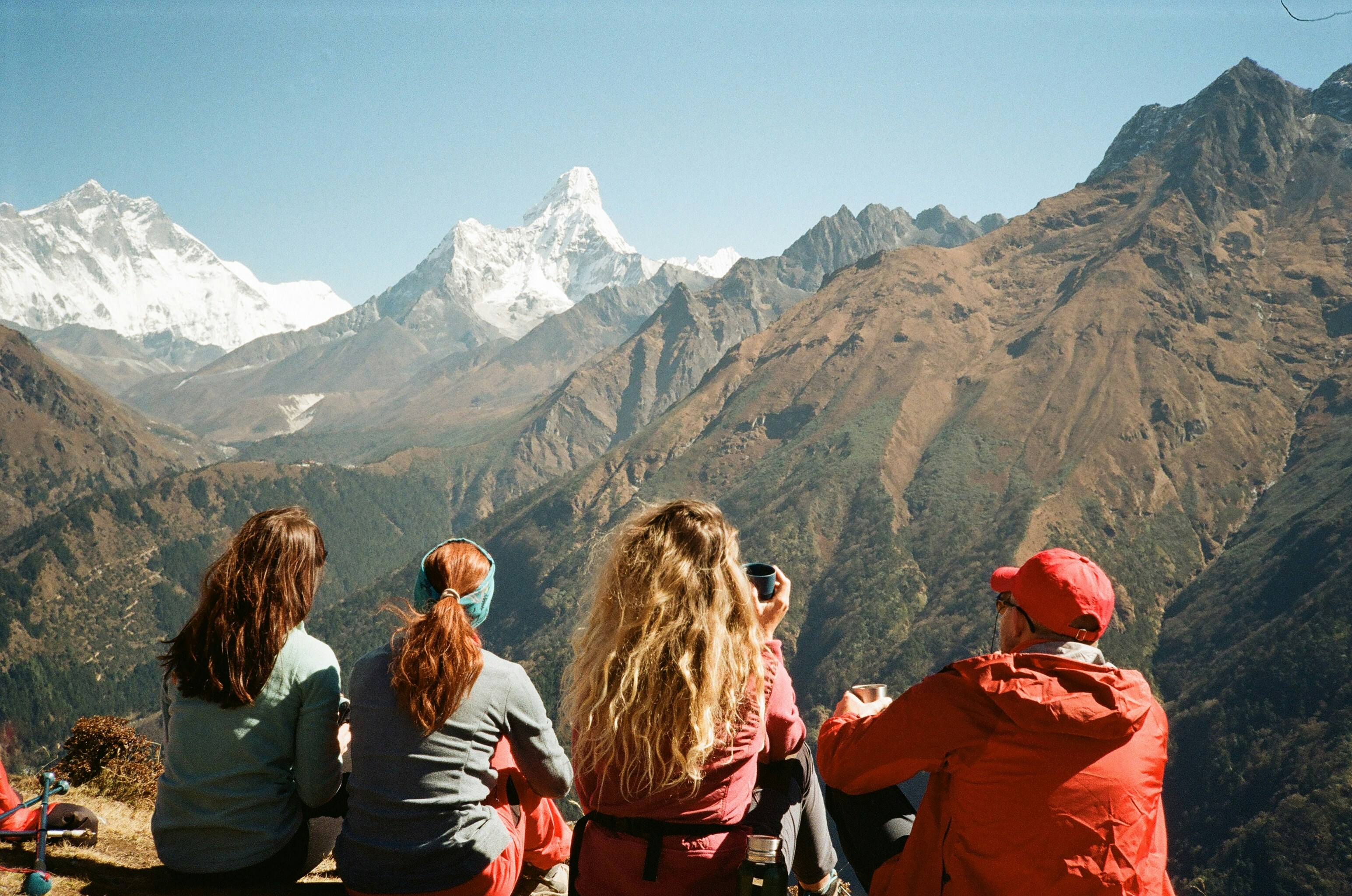
Nepal is on its way to becoming a global leader in sustainable tourism and laying the foundations for 21st-century high-altitude tourism. A few days ago, news broke about the inauguration of a new road leading to Nepal’s Everest region. This new route provides an alternative way to reach Solukhumbu—the Everest region—without relying on the combination…
-
Mendietxe Museum, the mountain museum led by Alex Txikon, dedicates a space to The NeverRest Project to raise awareness and promote sustainable tourism in Everest

This alliance aims to redefine 21st-century mountaineering by restoring its original spirit and fostering environmental ethics Azpeitia, November 5, 2024. Mendietxe Museum, the mountain museum inaugurated yesterday in Azpeitia (Gipuzkoa) by Basque mountaineer Alex Txikon, has dedicated a space to The NeverRest Project, an environmental engineering and technology company, to promote awareness and foster a…
-
The NeverRest Project launches its platform ‘EverData’, the first open data center mapping the environmental, tourism, and social impact of Mount Everest

Barcelona, October 3, 2024. The environmental engineering and technology company The NeverRest Project has today presented EverData, a pioneering platform that for the first time collects, analyzes, and visualizes essential data on environmental impact, waste management, and tourism activity in the Everest region. It also conducts five-year forecasts on tourism and environmental trends. The presentation…
-
The temperature at Everest Base Camp has increased by 2.7 degrees in ten years
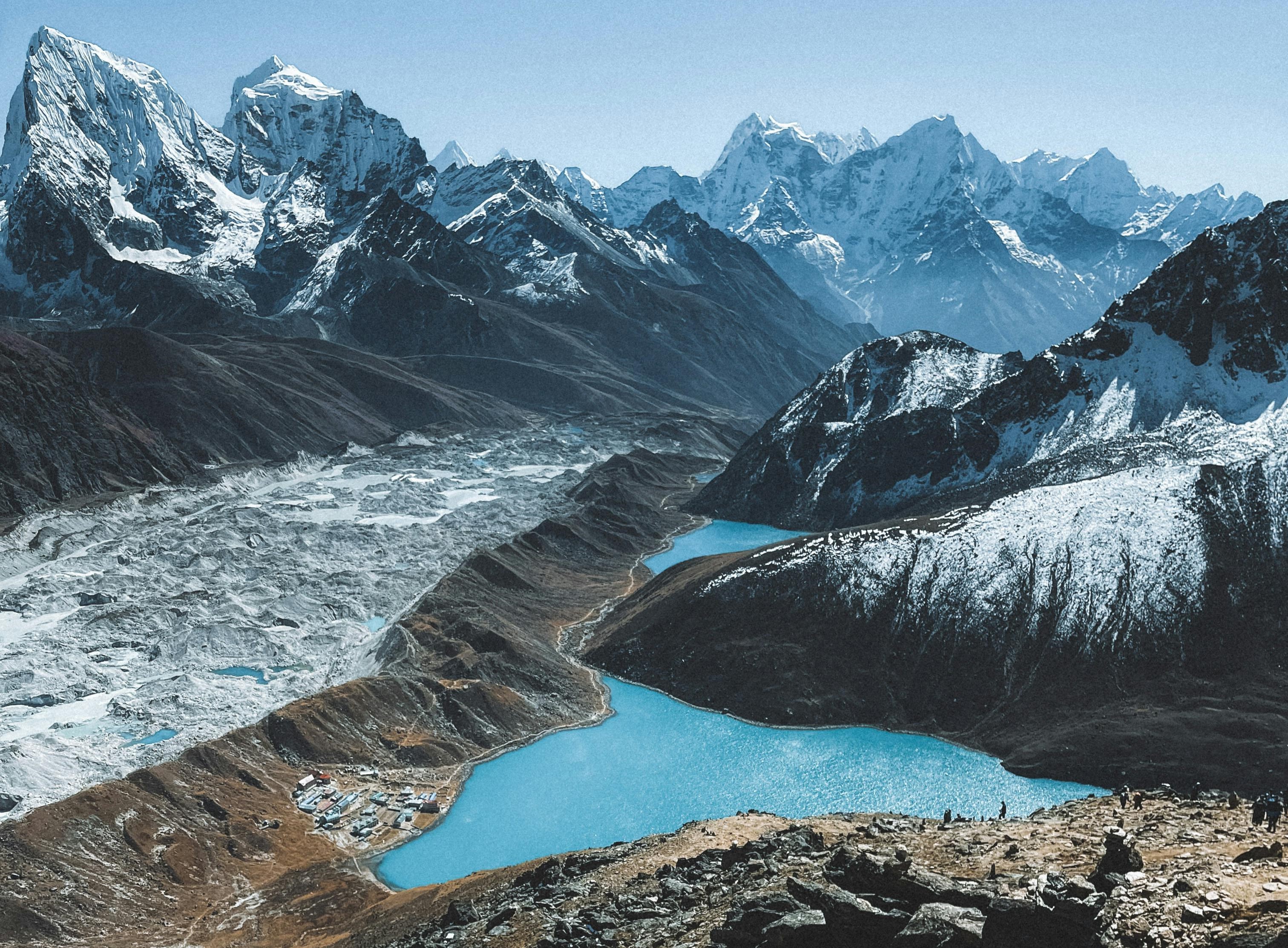
“The year 2023 was the warmest year since global records began in 1850”, NOAA reports. The temperature at Everest Base Camp has increased by 2.7 degrees in ten years (2013-2023) according to data published in the annual reports of the National Oceanic and Atmospheric Administration (NOAA). According to the testimony of many visitors, Everest Base…
-
The NeverRest Project Research: This is the energy consumption at the Everest Base Camp

The utilization of gas and kerosene currently stands as the foremost energy source employed at the Everest Base Camp. Gas is primarily used for cooking and heating purposes. Climbers, local mountain guides and support staff require heat for cooking meals and melting snow to obtain drinking water. GENERAL DATA COMPARISON OF ENERGY CONSUMPTION AT EVEREST…
-
Happy International Everest Day!
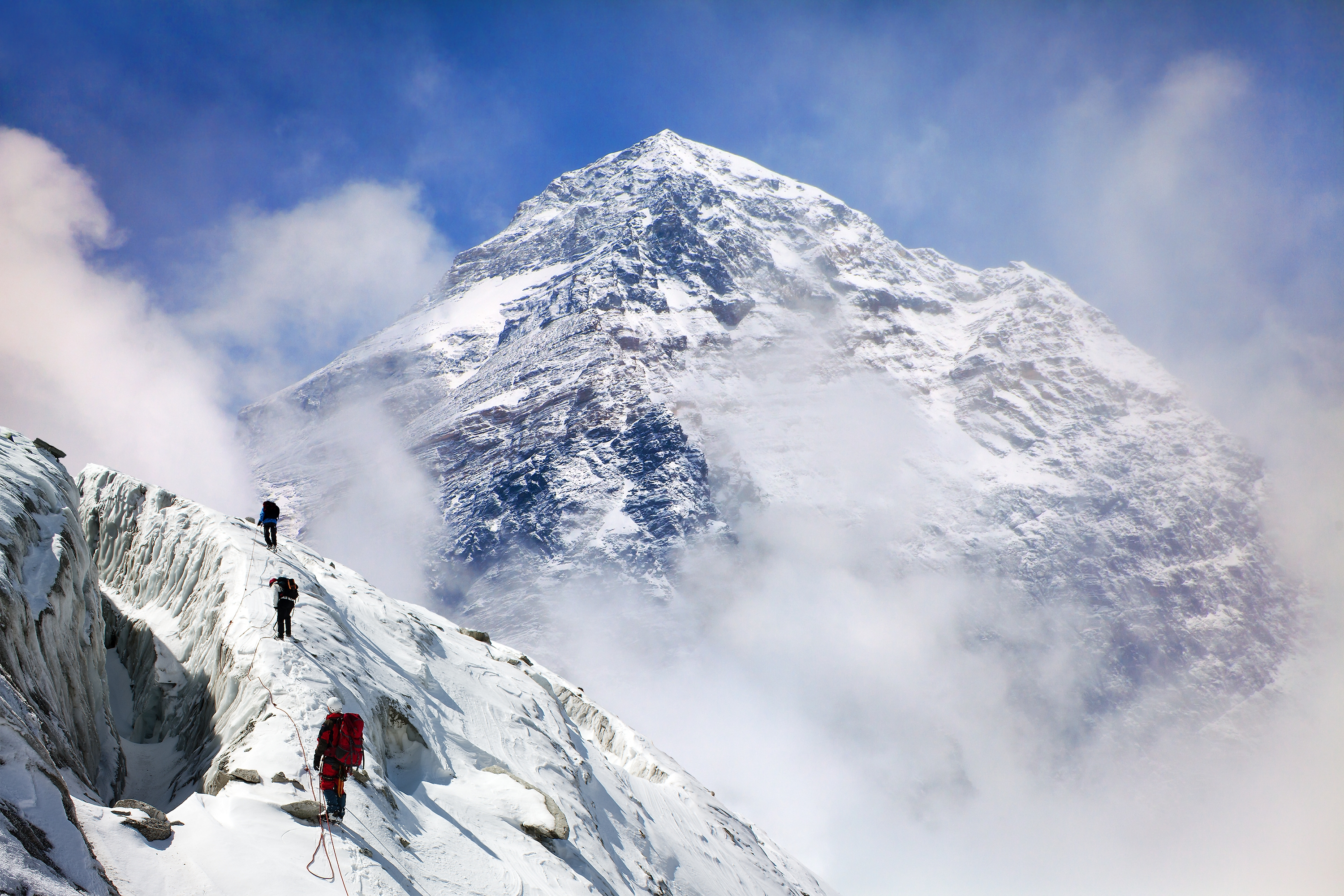
The Everest climbing season is over! While we wait for the final season report, here are some of the highlights: What’s your take about all that? Drop us a line and share your thoughts. Let’s chat about energy Ever wonder how much energy it takes to power an Everest expedition? Here you can see. Check out five ways…
-
An artificial glacier for supply drinking water in the Everest Base Camp (without touching the Khumbu glacier)
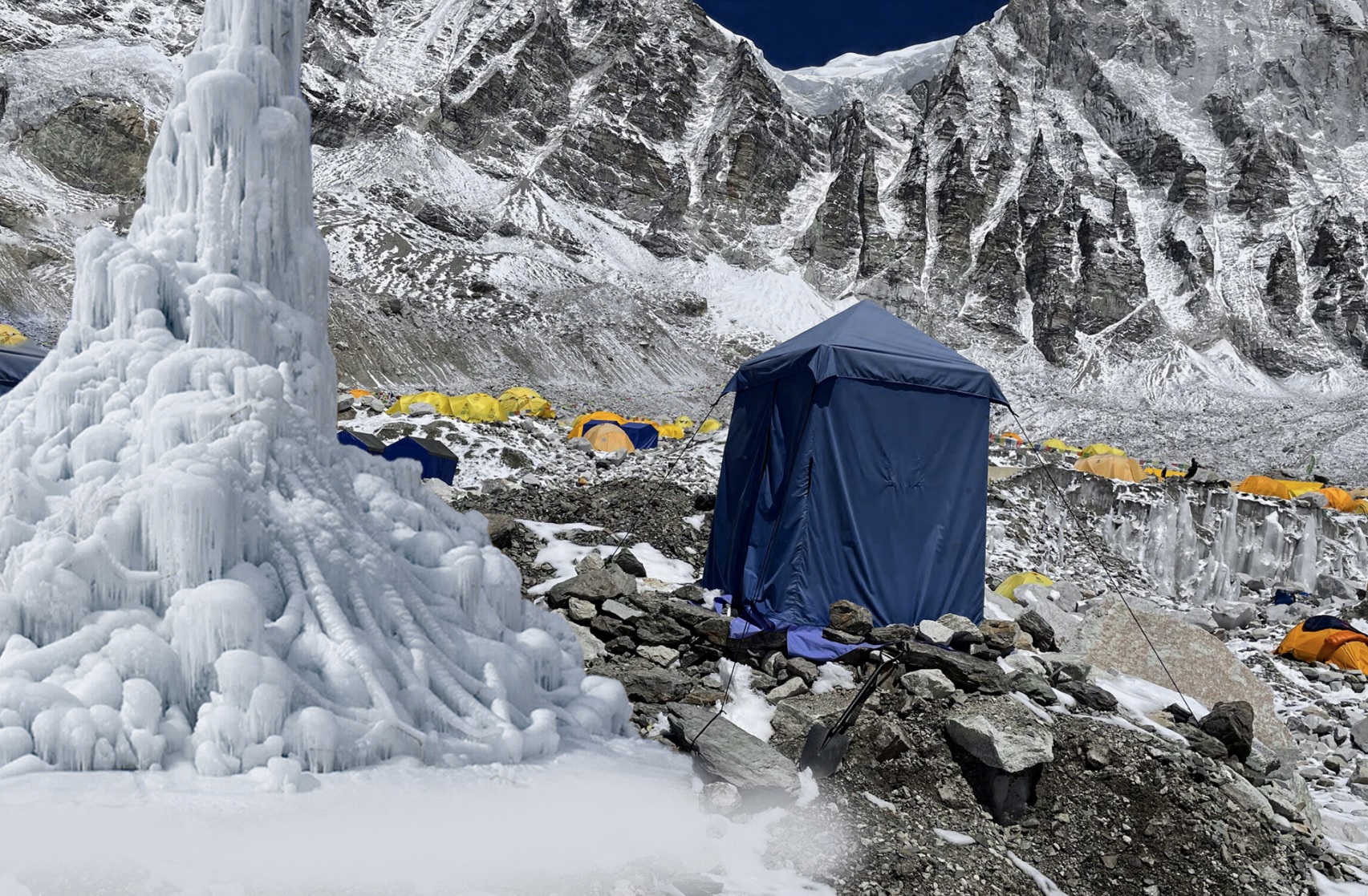
We are working on create an artificial glacier at the Everest Base Camp to provide a reliable source of drinking water for daily needs. The objective? Do not touch the Khumbu glacier. Every day during the Everest expedition season 12,000 liters of water are consumed at the Base Camp. It is common at Everest Base…
-
Five ways to use renewable energy at Everest Base Camp

Measures such as using renewable energy sources, installing efficient lighting and heating systems, and the collecting and treating of rainwater can be implemented in the Everest Base Camp. In addition, responsible energy and water consumption practices should be promoted among staff and visitors. We have already talked before about energy consumption at Everest Base Camp, based…
-
MAKURA: sharing space and reducing distances between Nepalis and clients in the Everest Base Camp
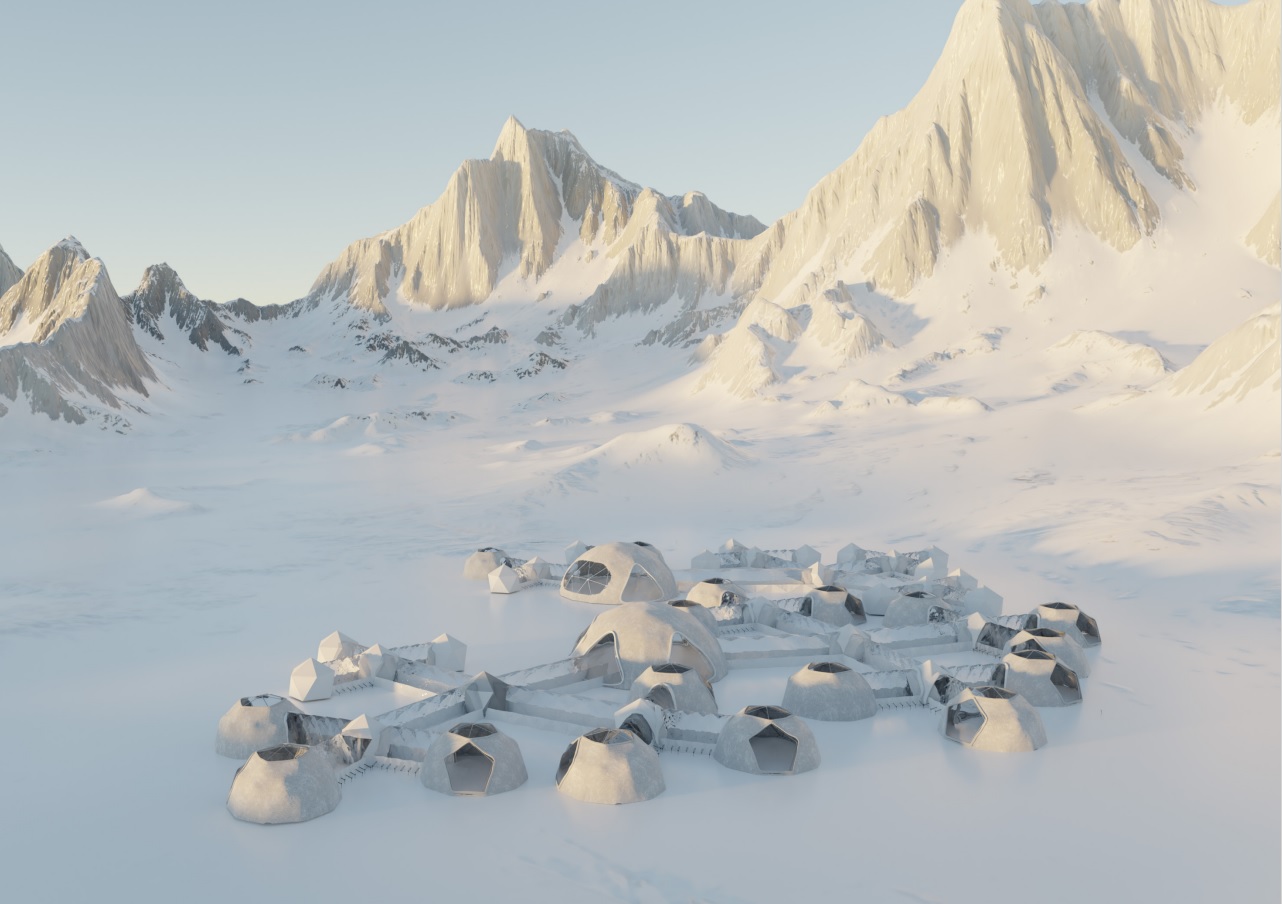
This solution designed by ELISAVA in collaboration with The NeverRest Project for a comprehensive system of modular tents that can be linked to shared service spaces, such as rest areas, kitchens, and dining rooms in the Everest Base Camp. MAKURA is a system designed by Irene Morera from Elisava Barcelona School of Design and Engineering in…