
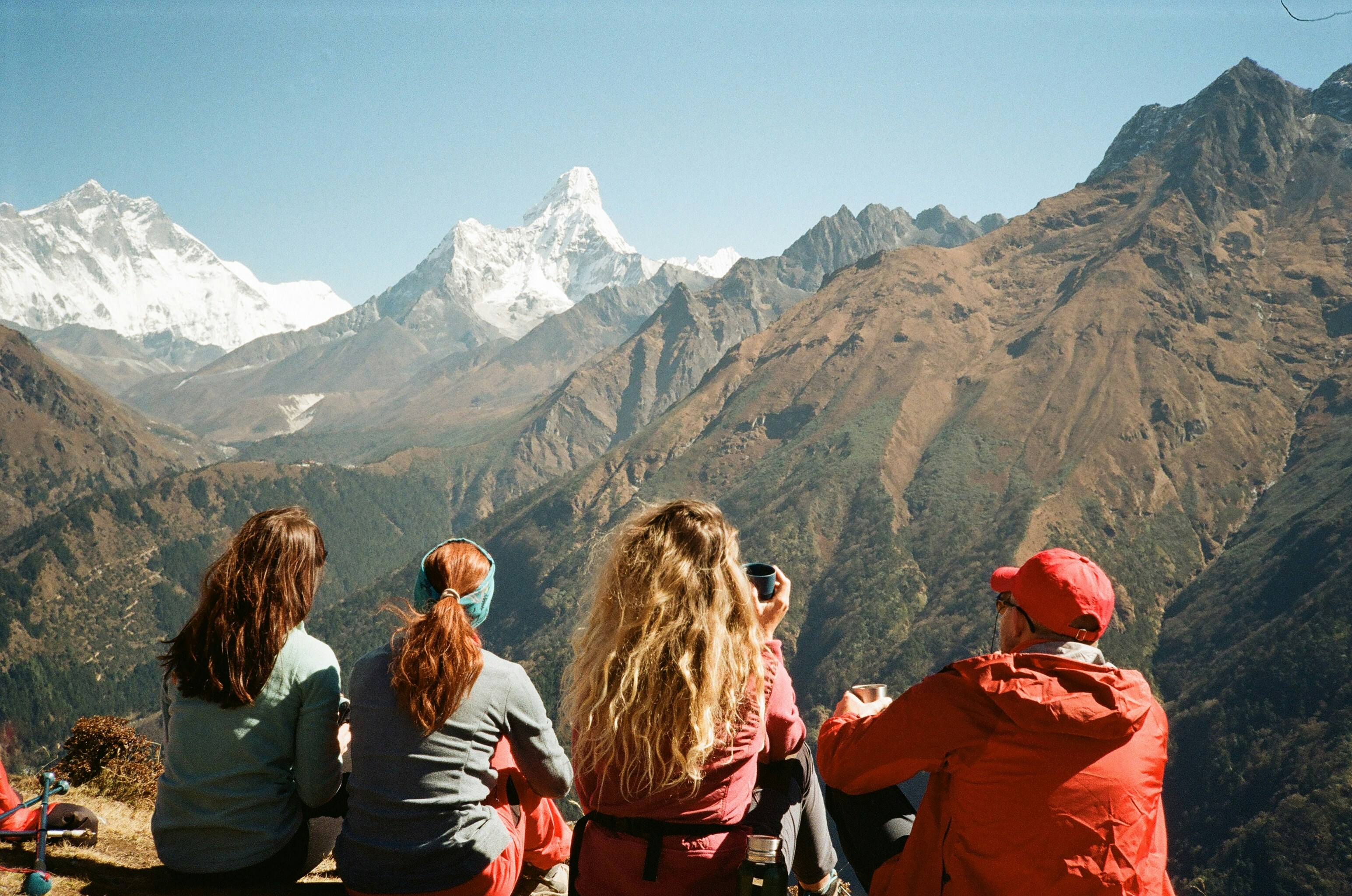
Nepal is on its way to becoming a global leader in sustainable tourism and laying the foundations for 21st-century high-altitude tourism.
A few days ago, news broke about the inauguration of a new road leading to Nepal’s Everest region. This new route provides an alternative way to reach Solukhumbu—the Everest region—without relying on the combination of road and air travel between Kathmandu, Ramechhap, and Lukla, where frequent flight cancellations and delays occur due to unpredictable weather conditions.
With the new road, which has been operational since January 4, travelers can now reach the village of Surkhe—very close to Lukla—from Kathmandu in just two days. Beyond tourism, this road will significantly improve connectivity for many remote villages in Solukhumbu, facilitating faster emergency rescues, better access to essential goods like food and daily necessities at presumably lower costs, and potentially even improving aspects of local life such as school routes.

The impact on tourism
Now, let’s address the impact on tourism. Industry leaders have suggested that the number of visitors to the Everest region could increase tenfold in the coming years, from the current 50,000 travelers to as many as 500,000 annually. This presents both a major challenge and a significant opportunity. As Frédéric Kauffmann, CEO of The NeverRest Project, puts it: “Nepal has the great opportunity to become a global benchmark in sustainable tourism and lay the foundations for 21st-century high-altitude tourism.”
The Nepal Tourism Board (NTB) has already started working in this direction. In 2023, it introduced the first sustainable Everest Base Camp, developed by The NeverRest Project. This initiative includes an artificial glacier to provide water without depleting the Khumbu Glacier, solar-powered tents, a more efficient land-use distribution, and a portable toilet system that filters urine to prevent it from contaminating rivers during spring thaw.

Some tools to share
Since then, we have calculated the amount of energy needed to sustain the base camp, proposed five ways to generate energy more sustainably, and assessed the human cost of Everest expeditions, among other data. We believe that data helps to better understand environmental, tourism, and social issues, allowing for more informed decision-making that benefits local communities, the environment, and Nepal’s international reputation.
Nepal is already choosing its own high-altitude tourism model to avoid the mistakes made by other countries in the tourism sector. Overcrowding, lack of traveler engagement with local communities, and disregard for natural landscapes and resources are three major risks that come with a sharp increase in visitors. These are precisely the challenges that The NeverRest Project, in collaboration with local organizations, is working to address by offering practical solutions for society as a whole.
At The NeverRest Project, we continue to analyze Nepal’s tourism sector—such as through our pioneering Everdata platform, which consolidates official tourism, environmental, and social data in one place—and to build the foundations for the kind of mountain tourism we all envision for the 21st century.