
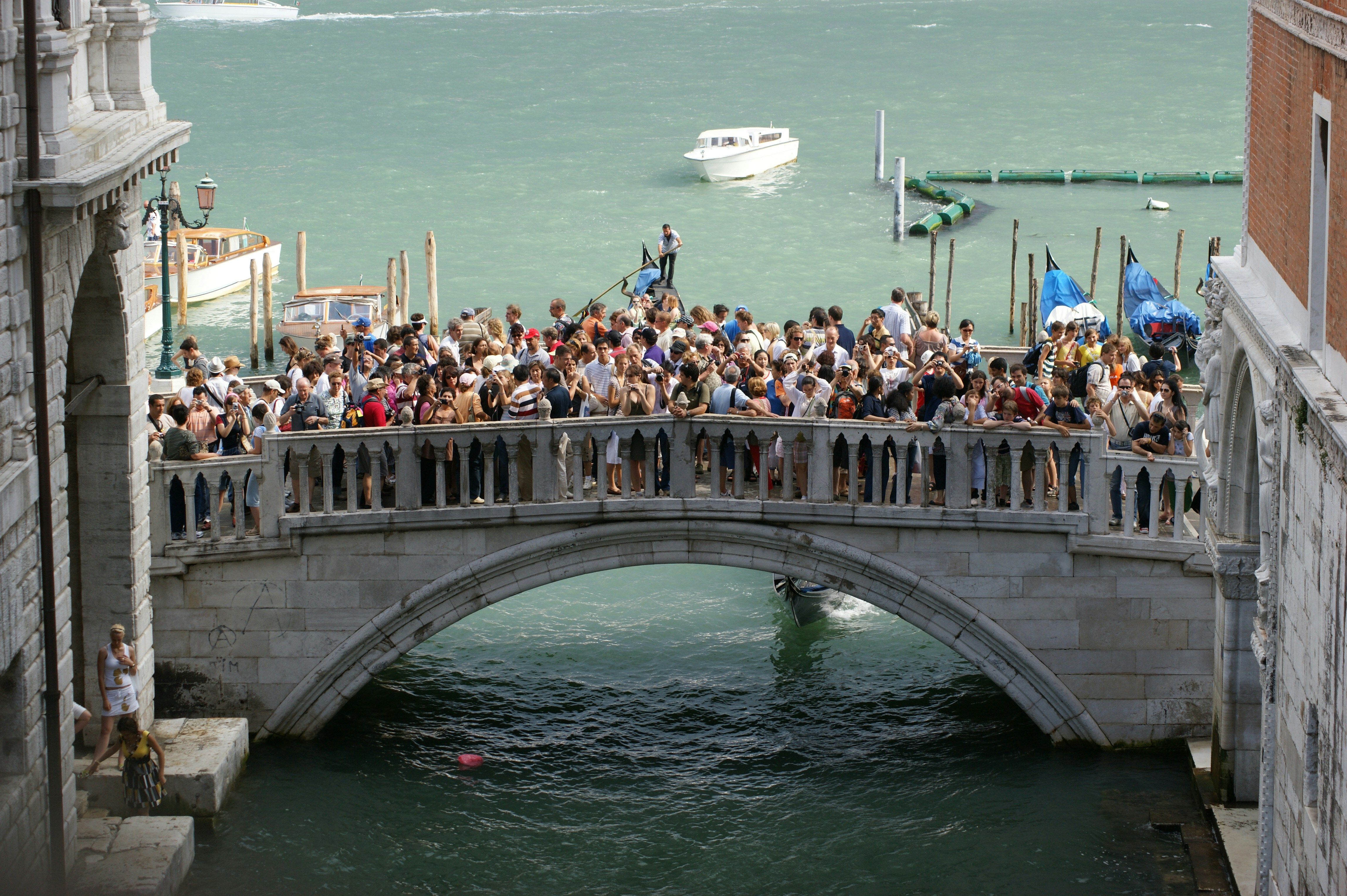
We need to take a step further in tourism management because reality is demanding it—under many names: overcrowding, gentrification, labor abuses, environmental damage, loss of identity, and the collapse of points of interest.
Tourist overcrowding is a global issue that no one enjoys: not the travelers—who face long queues, the herd effect, overpriced services, and low-quality experiences—nor the hosts, who also complain about gentrification, rising costs, disruption of local life, and environmental harm.
For example, with a population of around 1.6 million residents, Barcelona welcomed around 15 million tourists in 2024. In countries like Denmark and France, anti-tourism boycotts have emerged on social media. In Nepal, during expedition season, 4,000 liters of urine are dumped daily on the Khumbu Glacier at Everest Base Camp every spring. This is a global issue with implications across the political spectrum.
Governments at all levels—national, regional, and local—are working to regulate and control excessive and extractive tourism. Many destinations have implemented tourist taxes as a way to take responsibility and fund public services. Otherwise, these costs fall on the local population.
These taxes vary: some are charged per hotel night, others upon entering a city, or for accessing natural attractions. Some experts consider these taxes effective—provided they are reinvested into the community and sustainability initiatives. But they are not without criticism: they can deter tourists with fewer resources and fail to solve the structural problem. This isn’t just about a government cleaning up after millions of visitors. Could a more efficient, transparent, and fair model be created—one where both travelers and hosts feel comfortable?
We support the activist traveler
Some voices call for limiting the number of visitors, requiring advance bookings, or implementing stricter regulations—especially on tourist accommodations. These measures are often opposed by the private sector.
So, what can be done?
From our perspective, a balanced approach is needed: regulation, public investment, and civic participation. We believe the last factor is key, because individuals drive everything else. With a phone in hand, we have more power today than ever in history. We can now choose more than ever what we consume, which companies we support or reject, and ethical and/or sustainable criteria are increasingly part of our decisions.

Check out EverData, our pioneering platform that, for the first time, collects, analyzes, and visualizes essential data on environmental impact, waste management, and tourism activity on Everest, alongside five-year tourism and environmental forecasts.
We believe in the activist traveler—responsible individuals who leave the places they visit a little better than they found them. We also believe that society, in general, understands and supports the use of data, measurements, and meaningful information to ensure that efforts to balance tourism, environmental protection, and quality of life for host communities are directed toward the right companies and public institutions managing natural parks.
In short, we must take a step forward in tourism management because reality is demanding it—under many names: overcrowding, gentrification, labor abuse of local communities, environmental harm, loss of identity, unfair pricing for local residents, and the collapse of tourist sites. At The NeverRest Project, we’ve been asking these questions and proposing solutions for 21st-century tourism for years.
We invite you to share your ideas with us.