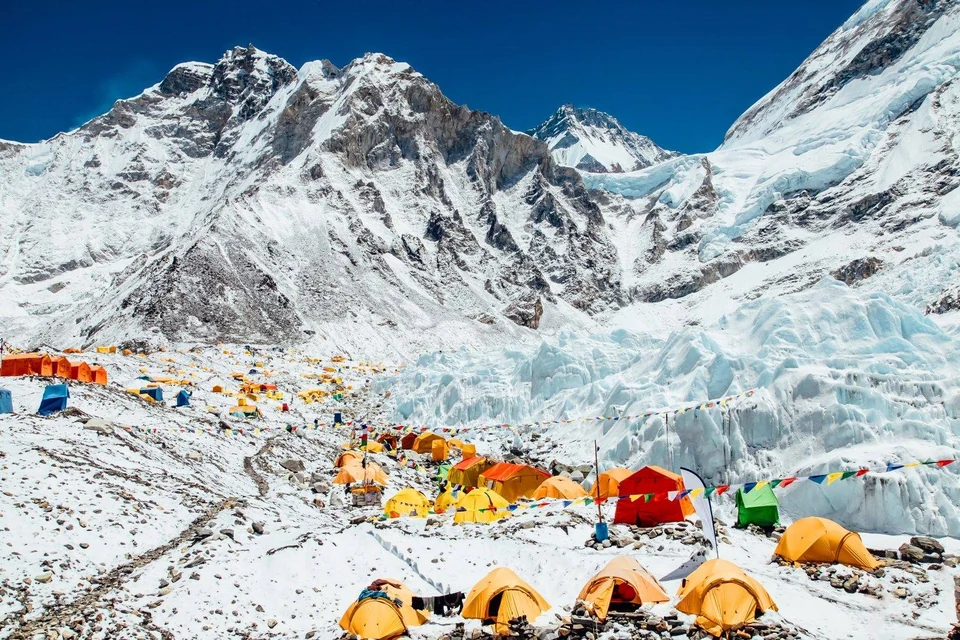
TNP Research: energy consumption at Everest Base Camp
First TNP field study on the real energy consumption at Everest Base Camp.
The utilization of gas and kerosene currently stands as the foremost energy source employed at the Everest Base Camp. Gas is primarily used for cooking and heating purposes. Climbers, local mountain guides and support staff require heat for cooking meals and melting snow to obtain drinking water.
GENERAL DATA
The kitchen requires a daily use of between 30 and 35 liters of kerosene that allows cooking and melting snow.
It is estimated that gas consumption can range from 150 to 250 liters per person during an average two-month expedition at the Everest Base Camp.
Gas is also required to melt ice to have hot showers.
When the fuel runs out, the bottle is thrown away. Camping gas is one of the metal residues we find the most in the Base Camp.
Metal bottles prove excessively weighty for transporting them up and down the mountain, from Lukla to the Everest Base Camp. The responsibility of carrying these falls upon porters.
It’s very polluting, not sustainable and melts the glacier.
It’s dangerous for workers to cook with it.
Air Pollution: Burning gas and kerosene at the base camp and surrounding areas releases pollutants and particulate matter emissions into the air. These pollutants can negatively impact on air quality, affecting both people working on the mountain and local wildlife.
Human Health Impact: Individuals living and working at the Everest Base Camp, including climbers, guides, and local workers, may be exposed to the harmful effects of fossil fuel combustion, such as lung irritation, respiratory conditions, and other health issues. Additionally, elevated levels of carbon monoxide and other pollutants can increase the risk of cardiovascular problems.
Waste and Soil Contamination: Using fossil fuels can generate waste and residues related to gas and kerosene combustion. These waste materials can affect the soil and the surrounding environment, contributing to soil pollution and ecosystem disruption.
Melt glacier: Burning fossil fuels like kerosene releases carbon dioxide and other greenhouse gases into the atmosphere. Given that climate change is already impacting mountainous regions, including glacier melting and climate variability, the use of these fuels can further contribute to these harmful effects.
Supply Vulnerability: The logistics and transportation of fossil fuels to extremely high altitudes can be costly and challenging. Moreover, the dependence on these imported fuels increases the region’s vulnerability to supply disruption.
COMPARISON OF ENERGY CONSUMPTION AT EVEREST BASE CAMP
The first table (01) presents the total energy consumed daily by local mountain guides. The overall consumption amounts to 2,926,200 Wh. This energy is derived from a calculation based on the activities they undertake throughout the day, such as breakfast, lunch, dinner, and tea time.
Additionally, we also consider other activities like showering. These activities require significant energy input to melt ice and bring water to a boil for cooking. Moreover, energy for heating and charging all the electronic devices used at the Base Camp, such as phones, computers, GPS devices, lanterns, and light bulbs, is considered.
The second table (02) displays the total energy consumed in a day by visitors. The acumulative consumption is 212,230 Wh. It’s important to note that mountain guides and visitors have distinct daily routines, leading to varying energy consumption patterns. Additionally, we must consider that there are approximately 950 guides and 550 clients. The number of individuals also impacts the overall energy usage.
To improve the situation, from The NeverRest Project we have created a proposal for the first sustainable Base Camp for Everest. Find out here.
Let's work together
Want this measured in your territory?
We help park authorities, destinations and technology partners measure tourism pressure and act on it with data.
Contact us →